
Smart Home Sensors: What They Mean for UK Landlords and Tenants
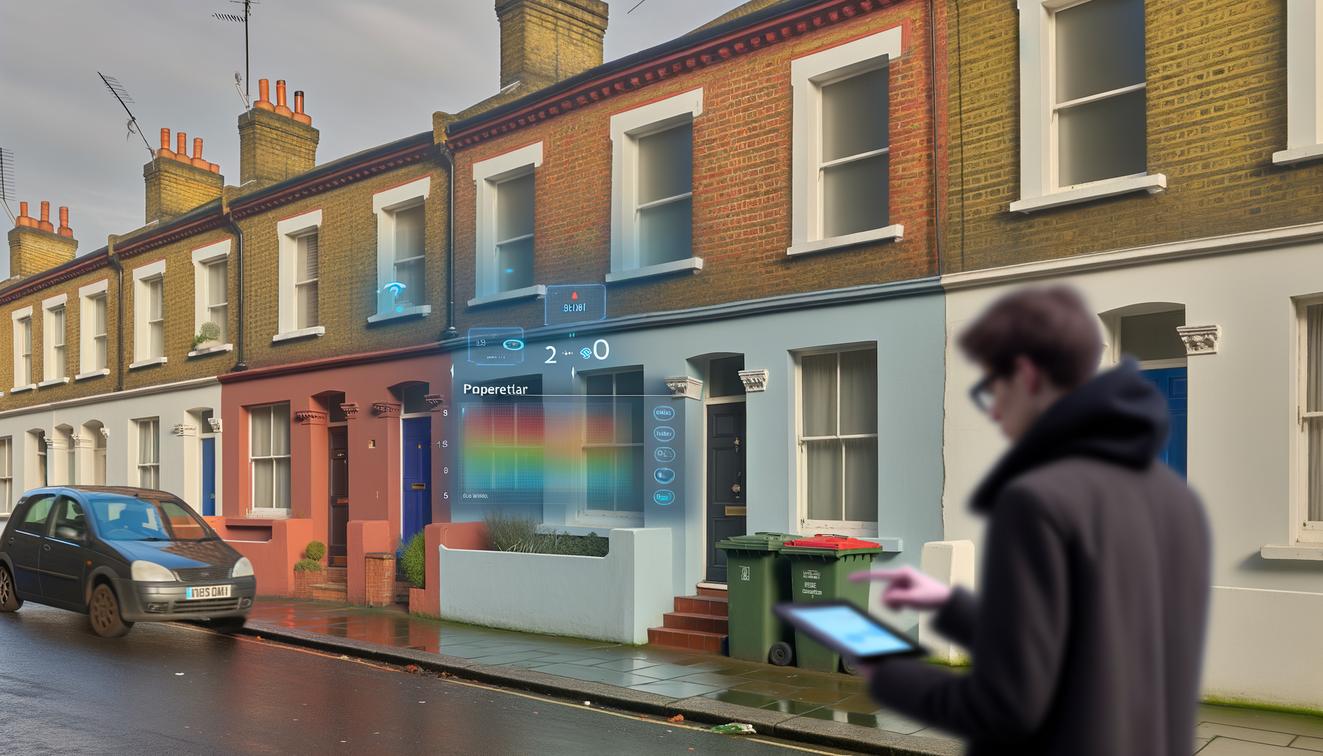
Smart home sensors — devices that measure temperature, humidity, air quality, occupancy and energy use — are moving from early-adopter homes into mainstream UK rental stock. For landlords and agents these devices offer operational efficiencies, lower maintenance costs and clearer evidence for energy and habit-related issues. For tenants they promise safer, more comfortable homes and lower bills when systems are used intelligently. This article looks at the factual implications for landlords, tenants and portfolio managers, and outlines practical steps for pilots and rollouts.
Why sensors matter: operational and financial signals
From a commercial perspective, sensors provide continuous data streams that reduce uncertainty. Instead of reacting to tenant calls, landlords can detect leaks, frozen pipes or failing boilers earlier; early detection typically reduces repair costs and displacement. Energy-focused sensors and smart thermostats can also support targeted interventions that reduce consumption — industry pilots often report energy savings in the low double digits when controls are optimised.
Compliance, insurance and EPCs
Regulatory frameworks in the UK increasingly emphasise energy performance and minimum standards for rented homes. While sensors are not a substitute for improving a property’s fabric or achieving a better EPC rating, they create a credible audit trail of indoor conditions and maintenance activity. That can be helpful when insurers or compliance auditors need evidence of proactive management. Using sensors to demonstrate regular monitoring and remedial action can reduce dispute risk between landlords and tenants.
Practical deployment: placement, costs and data flows
Effective sensor programmes balance cost and coverage. A basic kit for a single flat (temperature sensors, a humidity/condensation sensor and a leak detector) can be deployed for a modest upfront investment; full smart heating and air-quality systems are pricier. Installation strategy matters: place humidity sensors in bathrooms and kitchens, leak detectors near boilers and under sinks, and temperature sensors in living spaces. For large portfolios, a tiered approach (critical risk properties first) delivers the best ROI.
[IMAGE_1]
Data privacy and tenant consent
Tenants reasonably expect privacy. Devices should be limited to environmental metrics and not to invasive monitoring (for example, avoid motion sensors that infer people’s routines unless there is explicit consent). Clear tenant-facing policies, transparent data retention schedules and secure data handling are essential. Providers that offer anonymised, aggregated dashboards for landlords while keeping personal-level data private are preferred by many operators.
Business cases and measured outcomes
When assessing business cases, measure both hard and soft outcomes: reduced emergency call-outs, fewer damp-and-mould claims, lower energy bills, and improved tenant satisfaction/retention. Early adopters often report reduced maintenance lead times and lower overall tenancy turnover. Pilots with 50–200 properties are a sensible scale for collecting representative data before scaling across a portfolio.
Integrations and futureproofing
Choose sensors and platforms that support open standards and clear APIs. Integration with property management systems, maintenance workflows and billing platforms turns raw data into action: automated tickets for plumbed-in alerts, tenancy notes populated with environmental history, and energy dashboards for asset managers. Prioritise vendors with robust security practices and a proven update pathway to avoid vendor lock-in.
[IMAGE_2]
Recommendations for landlords and agents
- Start with a focused pilot: select a representative sample of properties and define KPIs (reduced call-outs, average time-to-repair, tenant satisfaction).
- Be explicit with tenants: publish the devices deployed, the data collected and how it will be used.
- Prefer modular systems that allow incremental upgrades rather than full rip-outs.
- Track outcomes and adjust: use data to prioritise fabric improvements where sensors reveal chronic issues (e.g., persistent mould-prone rooms).
Conclusion
Smart home sensors are a pragmatic next step for landlords and operators seeking to reduce operating costs, manage risk and improve tenant wellbeing. When deployed thoughtfully — with clear consent, secure data practices and integration into maintenance workflows — they shift property management from reactive to proactive. That transition pays dividends in lower disruption, clearer compliance evidence and, ultimately, better-performing assets.