Is the home you love ready for the years ahead?
Many people in their 50s and 60s worry about everyday things that can make staying put difficult: stairs that are suddenly tiring, a bathroom that feels unsafe, or narrow doorways that make moving a mobility aid awkward.
These are common problems, and the good news is there are simple, practical solutions that keep you independent and comfortable without having to move house.
Small changes that make daily life easier
Start with low-cost, low-disruption fixes. Good lighting through the home reduces trips. Non-slip bath mats and grab rails in the bathroom help you feel steadier. A sturdy step or handrail at the front door can keep coming and going easier.
Decluttering hallways and rearranging furniture to create clear pathways is free and often transforms how you use space.
Bigger adaptations to consider
If everyday tasks are becoming a strain, consider adaptations that take a little more time or investment. A stairlift or a downstairs wetroom can make a huge difference to independence.
Widening doorways for easier mobility aid access, lowering kitchen worktops, or swapping to lever-style taps are all choices that improve comfort and safety without changing how your home looks.
How to get the right help and who to call
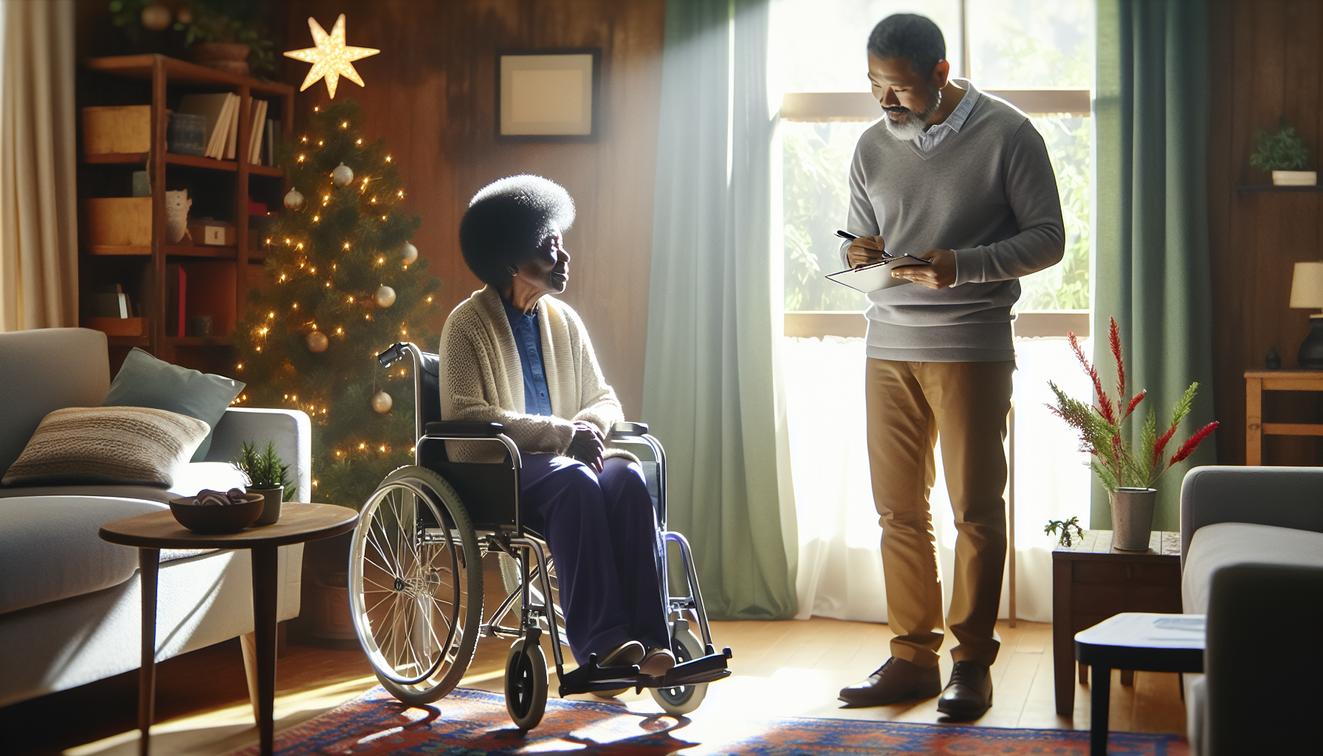
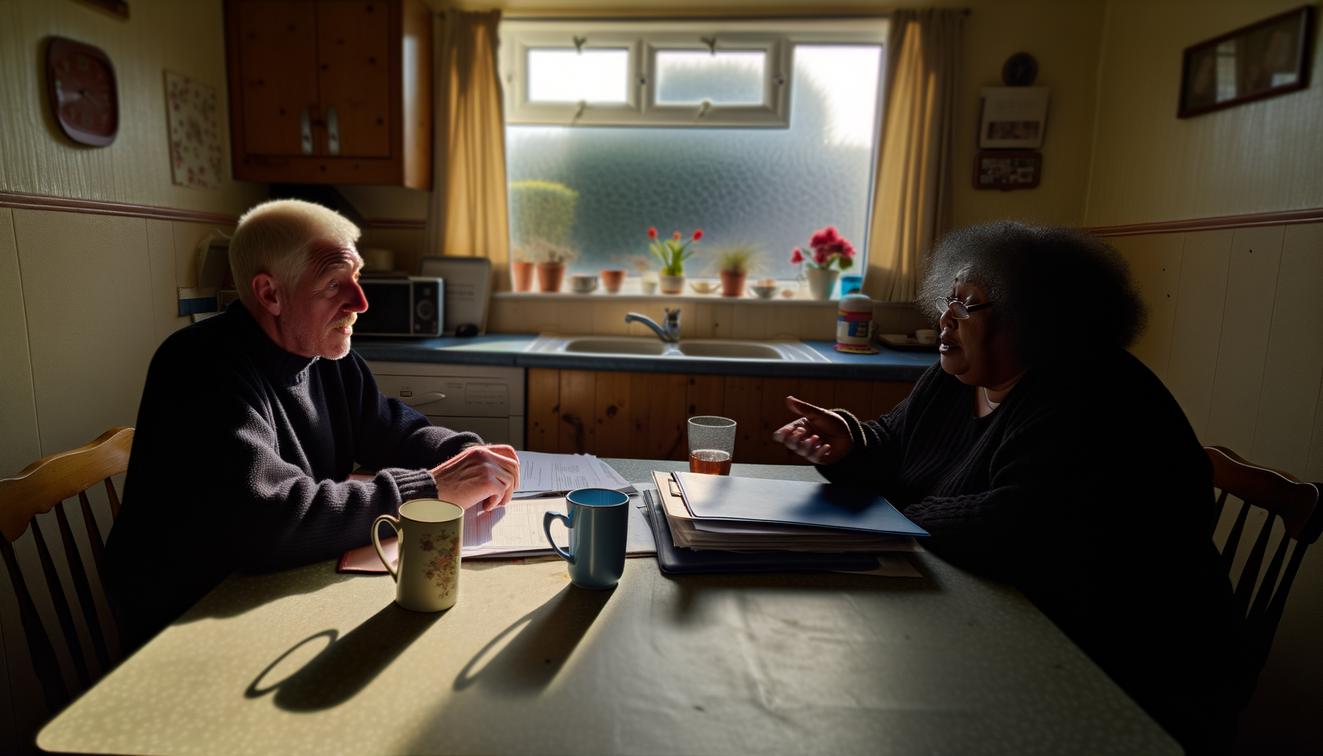
Begin with an assessment. Contact your GP, local council or an occupational therapist who can advise on adaptations suited to your needs and daily routine.
Local councils offer advice and may arrange assessments. Charities such as Age UK and disability groups also publish practical guides and can point you toward vetted contractors.
Funding options and practical tips
Major adaptations can be costly, but there are routes to help. Many councils offer Disabled Facilities Grants for essential work, and charities or local schemes sometimes provide loans or support.
Get at least two written quotes, check timescales and warranties, and ask if work requires planning permission or building control. A clear written agreement with a contractor protects you and helps avoid delays.
Deciding whether to adapt or move
Think about what matters most: staying near family, familiar neighbourhoods and keeping established routines are powerful reasons to adapt.
Compare the cost and disruption of major building works with the expense of moving. For many, adapting a home you love is both emotionally easier and often more cost effective.
Practical checklist to get started
1. Make a short list of daily problems, for example getting up stairs or using the bath.
2. Contact your GP, local council or an occupational therapist for an assessment.
3. Research small changes you can do immediately and larger adaptations you might need.
4. Obtain at least two quotes for any work and check for references and guarantees.
5. Explore funding routes early, including council grants and local charity help.
Keeping control and staying independent
Planning ahead relieves stress when needs change. Simple, staged adaptations let you make manageable improvements over time instead of one large upheaval.
Staying involved in decisions, asking questions and understanding costs keeps you in control and better prepared for the future.
A modern tool to simplify the process
If you want a single place to explore options, compare support and see likely costs, consider Homingo. It is a modern platform that helps people find practical adaptations, connect with trusted professionals and understand funding options to keep you living independently at home.