
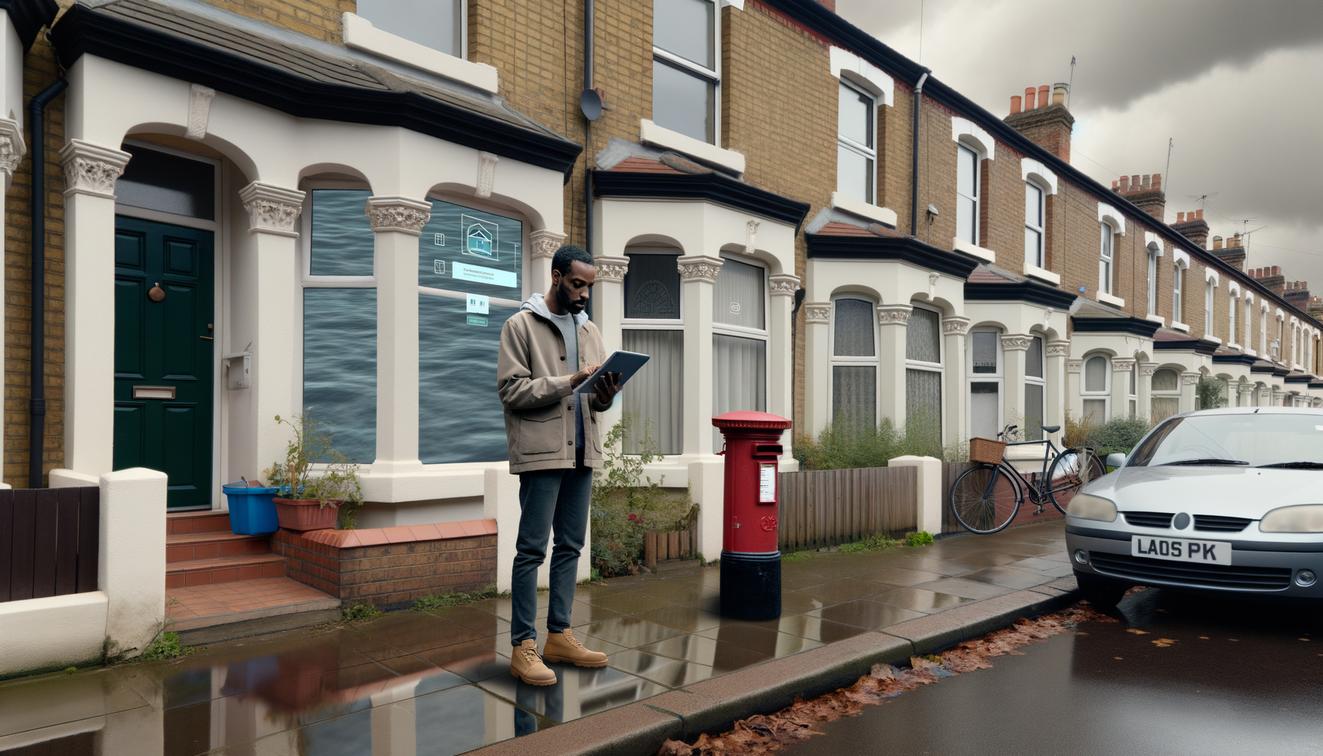
Insurtech, PropTech and Smarter Risk: How Data Is Changing UK Property Insurance
Insurers, brokers and homeowners in the UK are increasingly relying on finer-grained property data to price risk, speed claims and target resilience interventions. This article summarises how PropTech feeds modern insurtech workflows, what the evidence says about impact on premiums and claims handling, and what homeowners should expect over the next 3–5 years.
Why richer property data matters
Traditional home insurance underwriting often used postcode-level risk indicators and household questionnaires. New streams of data — building-level digital records, LiDAR-derived roof condition, real-time IoT sensors, and localised climate models — let underwriters move from coarse approximations to property-specific assessments. That means insurers can more accurately price for flood exposure, subsidence likelihood and asset vulnerability, rather than relying on blunt zonal averages.
Climate, claims and the cost of inaccuracy
Severe weather events have pushed claims volatility higher, creating pressure on premiums and capacity in some regions. Better input data reduces model error and can lower the cost of capital for insurers, which in turn improves market stability. Insurers that adopt granular datasets and near-real-time feeds can detect emerging claim patterns faster, reducing average time-to-settlement and limiting loss creep.
How PropTech is plugged into insurtech workflows
There are three practical integrations happening today:
- Pre-bind assessment: Aggregated property records and remote-sensing imagery are used at quotation time to produce a property risk score. This allows dynamic pricing and conditional offers that reflect the real asset rather than a postcode mean.
- Risk mitigation services: Sensors for moisture, temperature and ingress can trigger early interventions (e.g., shutting off a water supply) and provide verifiable telemetry to insurers. These feeds are increasingly accepted as risk reduction evidence in underwriting.
- Claims automation: Photogrammetry, AR-assisted inspections and remote loss-detection allow faster triage. Digital evidence reduces the need for repeat site visits and speeds payments when liability and damage are clear.
[IMAGE_1]
What this means for homeowners and landlords
For property owners the practical outcomes are:
- More personalised premiums that can reward investment in resilience (e.g., flood-proofing or sensor installation).
- Faster claims resolution when digital evidence is available.
- Potential for new services: on-demand risk audits, targeted retrofit incentives, and resilience-as-a-service offerings integrated with insurers.
Privacy, data quality and regulation
As underwriters rely on new data sources, data governance becomes critical. Insurers must ensure provenance of third-party feeds, consent where telemetry is personal, and transparent explainability in pricing decisions. Regulators are already scrutinising automated decision-making in financial services — robust audit trails and appeal routes will be expected.
[IMAGE_2]
Barriers and adoption curve
Smaller insurers and brokers face integration costs and the challenge of normalising diverse datasets. Interoperability standards, open APIs and third-party validation services are lowering the barrier, but full adoption will depend on demonstrable ROI and regulatory clarity. In practice, early adopters that combine reliable datasets with targeted customer programmes (sensor discounts, resilience grants) are showing the fastest improvements in loss ratios.
Looking ahead
The next phase will see insurtechs and PropTech firms co-develop packaged products: subscription-based monitoring plus tailored insurance cover, dynamic pricing tied to verified mitigation, and marketplace models where insurers compete on risk-reduction services as well as price. For UK homeowners, that spells clearer pathways to lower risk and faster recovery — provided the issues of data quality, consent and fair pricing are managed carefully.
In short, data-driven PropTech is moving insurance from postcode rules-of-thumb to property-level intelligence. That transition will reshape underwriting, claims and customer expectations across the UK property market.