Digital Listing Best Practices: Data-Backed Guidance for UK Agents
The UK property market continues to respond to faster, more visual buyer journeys. For agents and sellers, small changes to how a property is presented online can materially affect enquiry volume, time on market and selling price. This piece synthesises industry patterns and practical tactics that estate agents can adopt today to make listings more discoverable and more compelling — backed by performance indicators often observed across digital marketplaces.
What buyers really respond to
Online attention maps show that buyers form impressions within seconds. High-quality photography, clear floorplans and concise metadata are consistently correlated with higher click-through-rates (CTR) and more viewings booked. Listings with professional photos and a logical visual order tend to retain users longer on a page, increasing the chance of an enquiry. Equally important is structured data: properly tagged property types, tenure, EPC and transport links increase matched searches on major portals and on agency websites.
Visuals: quality, sequence and intent
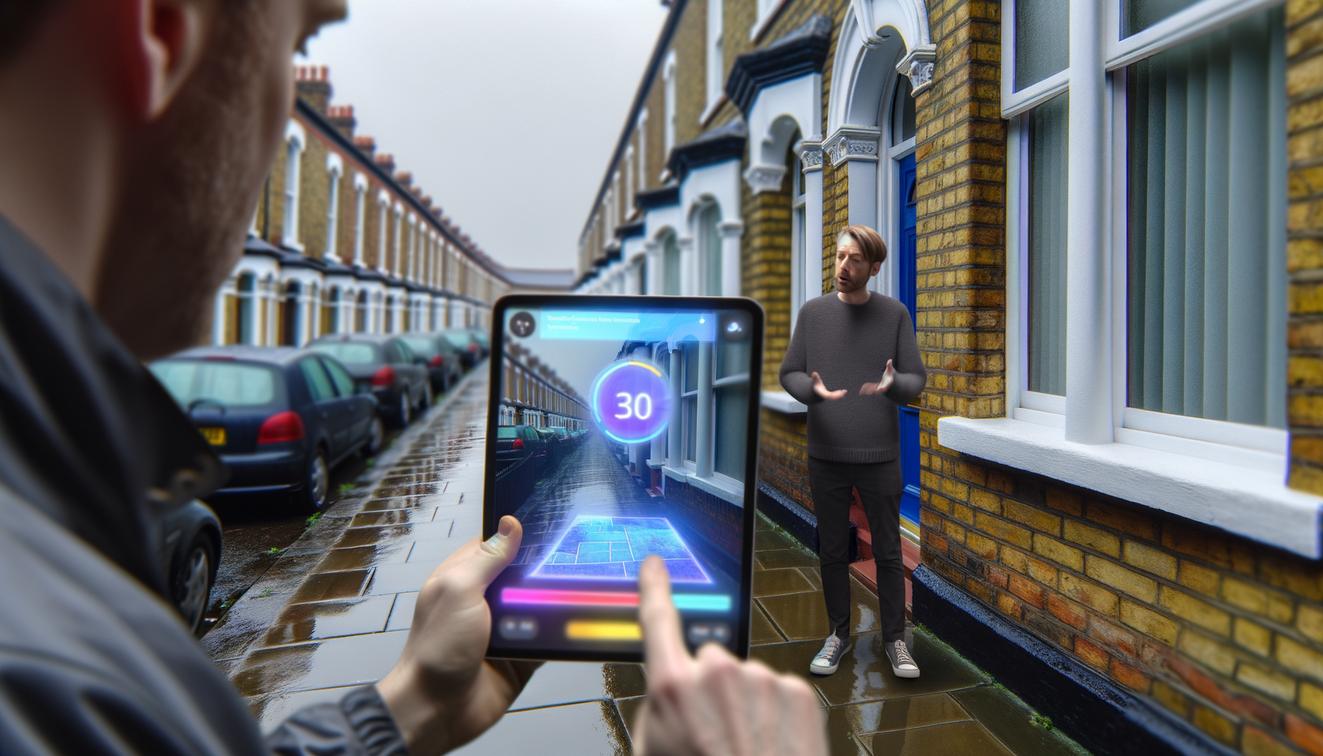
Start with a hero photo that reflects the strongest selling point — light, space or a distinctive feature — and follow with supportive images that answer buyer questions. Include a clear floorplan early in the gallery so users can orient themselves quickly. 3D tours and short walk-through videos are increasingly expected for higher-value or unusual properties; they help reduce time-wasting enquiries and attract more qualified viewers.
[IMAGE_1]
Metadata and copy that convert
Good titles and descriptions do two things: they improve search relevance and they set expectations. Use local transport times, unique selling points (e.g., ‘south-west facing garden’, ‘original sash windows’) and accurate room counts. Avoid vague superlatives without evidence. Where possible, reference recent comparable activity, but focus copy on benefits that matter to target buyer segments (commuters, families, downsizers).
Data-driven pricing and listing cadence
Listing performance should be monitored from day one. Track impressions, CTR, enquiry rate and viewing-to-offer conversion. If a listing generates impressions but low enquiries, review imagery and headline copy; if enquiries are high but viewings don’t convert, focus on qualifying information and pricing clarity. Regularly refreshing the listing — reordering photos, adding a short video, or updating the description — can re-ignite interest in platforms that favour recently-updated content.
User experience: mobile-first and fast
Most property searches start on mobile. Galleries must load quickly, and buttons to enquire or book a viewing should be prominent and one-tap where possible. Consider micro-formats for enquiries (name, phone, preferred times) to reduce friction. Integrations that sync listings, floorplans and availability across portals reduce admin time and ensure prospective buyers see the most up-to-date information.
Trust signals and credentials
Certifications, confirmed EPC ratings, and clear ownership of any legal notes (e.g., lease length) reduce barriers at later stages. Transparent agent contact details and a brief local market note help buyers feel confident about the listing and the agent handling it.
Using analytics to iterate
Set weekly KPIs for new listings: target CTR, enquiry rate and viewing conversion. Use A/B tests for hero images and short descriptions. Combine portal analytics with on-site behaviour to see where users drop off — is it after the photos, the description, or on the booking form? These insights should inform a simple checklist used for every property upload.
Practical checklist for launch day
- Hero image that sells the main benefit.
- Floorplan in first five images.
- Short walk-through video or 3D tour where appropriate.
- Accurate metadata (rooms, tenure, EPC, council tax band).
- Mobile-first enquiry flow and one-tap contact options.
- Performance monitoring and a scheduled refresh at day 7.
[IMAGE_2]
Conclusion
Listings that combine clarity, speed and evidence convert better. Agents who standardise a data-led listing process — from photography order through to weekly performance checks — can reduce time on market and improve buyer quality. The investments are modest, but the returns are measurable: better visuals, clearer information and well-managed workflows help properties reach the right buyers faster.
For agencies aiming to scale, a documented listing protocol and a lightweight analytics dashboard are the highest-leverage tools to ensure every property benefits from best-practice presentation.