Feeling the pinch of stairs, bathrooms or narrow doorways?
Many of us reach our 50s thinking about staying put in the home we love. But everyday things — stairs, slippery floors, tiny bathrooms — can start to chip away at confidence and independence.
This guide is for anyone who wants clear, practical ideas to make life at home easier and safer without turning the house upside down.
Small changes that make a big difference
You don’t need a major renovation to improve safety. Simple, low-cost adaptations often help most: grab rails by steps and toilets, non-slip flooring in wet areas, good lighting on staircases, and lever-style door handles instead of fiddly knobs.
For people who struggle with stairs, consider stair rails, a through-floor stairlift or, where possible, a downstairs bedroom and shower. In bathrooms, a walk-in shower, raised toilet seat or a sturdy shower seat can be transformative.
What about mobility aids and bigger works?
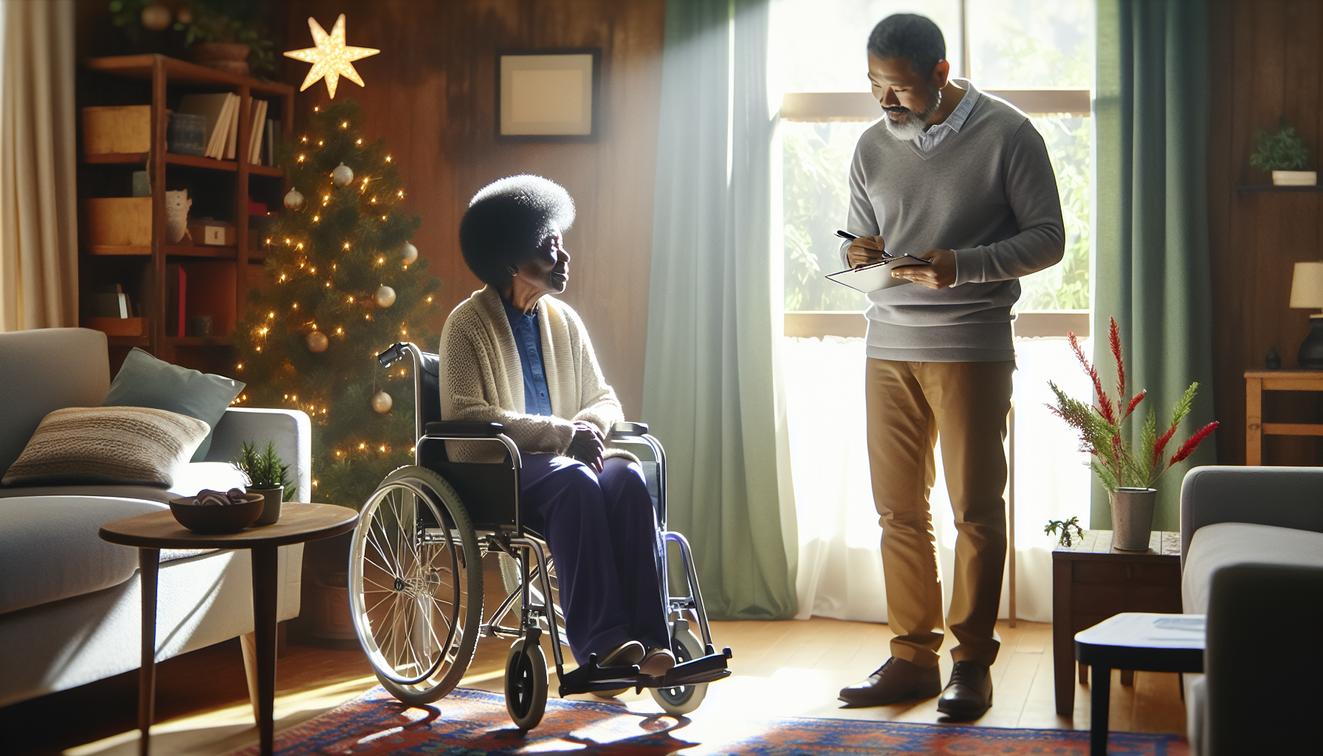
Mobility aids such as walking frames, raised chairs and scooters are quick wins. For larger changes — widening a doorway, installing a level-access shower or building a ramp — get an occupational therapist (OT) assessment first. They’ll recommend what’s necessary and what will genuinely improve day-to-day life.
Ask your GP, local social services or charities like Age UK how to arrange an OT assessment. Their report also helps when applying for grant funding or council support.
Paying for adaptations: practical options
There are several routes to help cover costs. The Disabled Facilities Grant (DFG) is a means-tested grant many councils offer for essential adaptations — contact your local authority for details and eligibility.
Other options include small personal loans, family contributions, savings or staged work over time. If you own your home outright, equity-release products exist, but they’re serious financial commitments — get independent financial advice before you sign anything.
How to get help without the hassle
Start local: your borough or county council housing or adult social care team is the gateway for many services and grants. Charities and local not-for-profits can help with assessments, straightforward adaptations and sourcing reputable tradespeople.
Get at least two quotes for any work. Ask for references and proof of insurance. Simple things like using an accredited installer for grab rails and stairlifts reduce the risk of poor workmanship and future problems.
Keeping costs down and stress low
Plan adaptations in phases if funds are limited — focus first on what affects daily safety and comfort, such as the main entrance, one accessible bathroom and a ground-floor bedroom if stairs are a real problem.
Many adaptations are reversible, which helps if you think about selling later. Clear, easy-to-use layouts and non-slip surfaces are attractive to a wide range of buyers and can add value by improving accessibility.
Next steps: a quick checklist
– Make a note of the tasks that are hardest for you now and in the near future.
– Ask your GP or local council about an occupational therapy assessment.
– Explore Disabled Facilities Grant eligibility with your council and gather at least two quotes for any work.
Where to go for trustworthy advice
Contact your local authority, speak with an OT, and consult charities such as Age UK or local disability organisations for impartial guidance. If you have a financial adviser, discuss how adaptations fit with your long-term plans.
Keeping independence at home is about practical steps, not perfection — small, well-chosen changes often make the biggest difference.
For a modern route that simplifies finding suitable adaptations, comparing installers and checking funding options online, Homingo can be a helpful tool to bring the pieces together and reduce the legwork.