Is your home ready for later life?
Small changes at home can make a big difference to independence, comfort and safety as we get older. Whether you’ve started to notice stiff knees, trouble with stairs or poor lighting, there are practical, affordable steps you can take now to stay living at home.
This short guide explains the usual problems people face, simple adaptations you can arrange, where to look for help and how to avoid common pitfalls.
Common problems and quick wins
Stairs, steps and slippery floors are among the most frequent worries. People also struggle with getting in and out of the bath, reaching kitchen cupboards, poor lighting and clutter that makes moving around harder.
Many of these can be eased without a full renovation. Consider grab rails by doors and toilets, brighter lamps with easy switches, non-slip mats and lever-style taps that are simpler to use for arthritic hands.
Start with an assessment
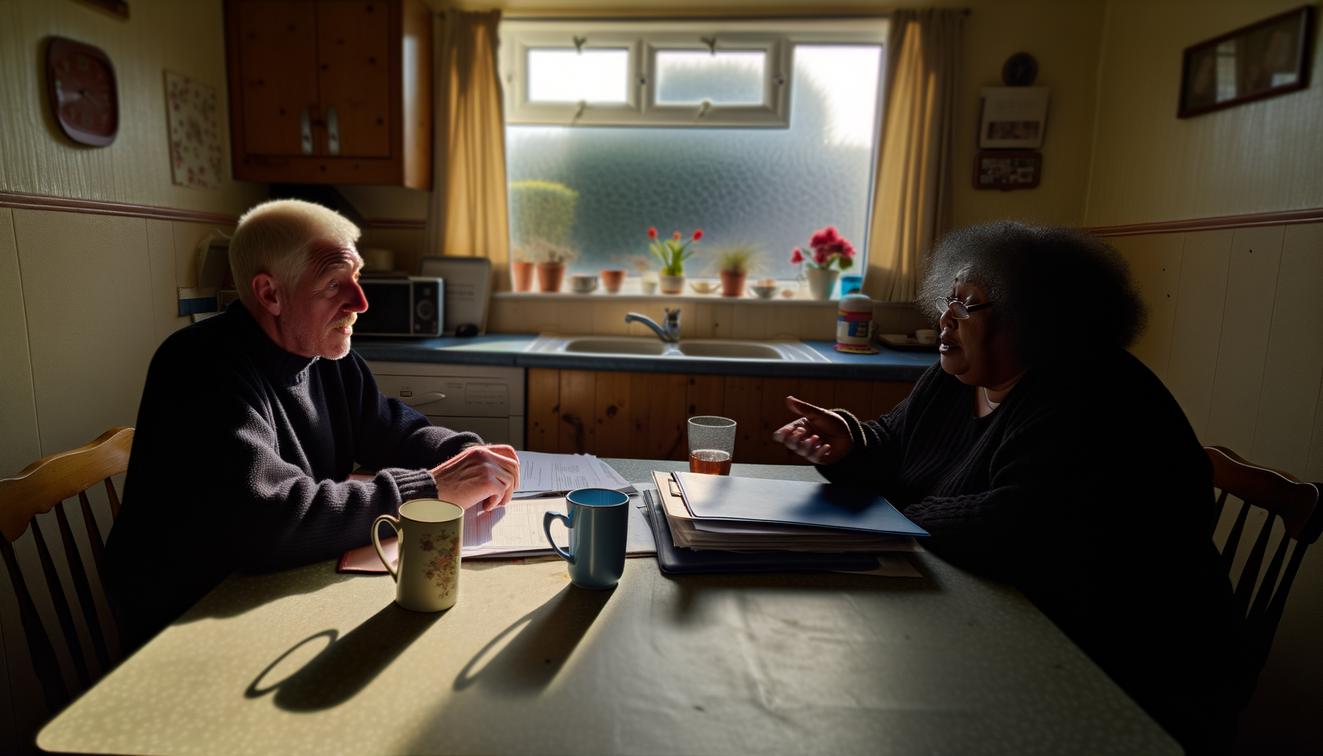
Before spending money, get an assessment. Speak to your GP or local NHS occupational therapist, or contact your council’s social services. They can recommend simple changes and advise whether you might qualify for support such as a Disabled Facilities Grant (DFG).
Age UK and local home improvement agencies can also carry out home visits and give clear, impartial advice. An assessment helps you prioritise the most urgent changes.
Small adaptations that help immediately
These low-cost options often have a large impact: stair rails, a raised toilet seat, a walk-in shower or wet-room conversion, improved hallway and stair lighting, and decluttering to create clear routes through the home.
Simple kitchen tweaks — like pull-out shelving, lower work surfaces and easy-reach storage — make daily tasks safer and less tiring.
Bigger changes: what to expect
For larger work such as installing a stairlift, widening a doorway for a mobility aid, or creating a ground-floor bedroom, get at least three written quotes. Check whether building regulations apply and whether you need planning permission on leasehold properties.
Choose tradespeople who are DBS checked where relevant and belong to recognised schemes such as TrustMark. Ask for a clear timeline and written guarantee.
Funding and financial help
The Disabled Facilities Grant (DFG) is a common route to help cover adaptations — your local council administers it and there are eligibility rules. Councils and charities may also offer smaller grants or interest-free loans.
Other options include help from Age UK advice services, local charities, or speaking with Citizens Advice about benefits that can contribute to home changes. For major renovations, some people consider equity release, but get independent financial advice first.
Technology that supports independence
Telecare and simple home tech can give peace of mind. Personal alarms, fall detectors, simple motion sensors and easy-to-use smart plugs and lights can keep you safer without a large build.
Keep tech straightforward: choose devices with clear labels and reliable customer support, and involve a trusted family member or friend in setup if you need extra help.
How to plan your work
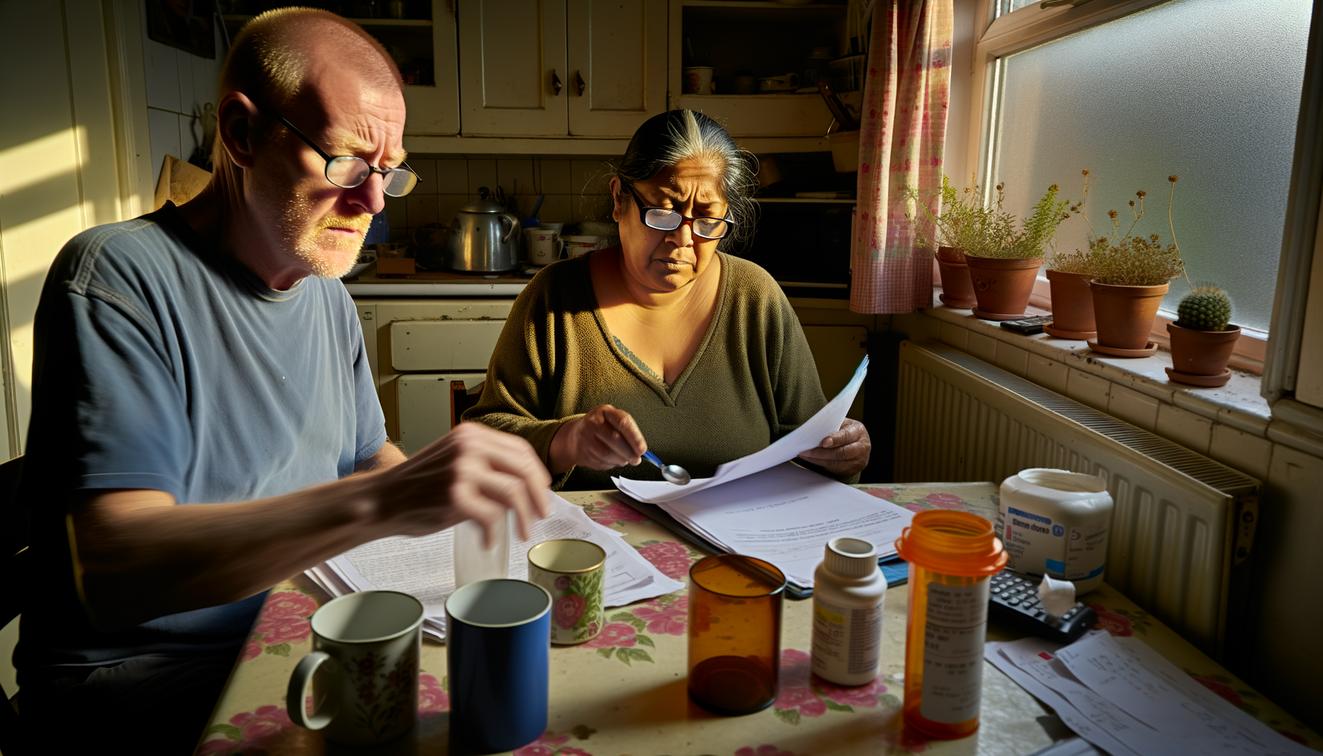
Make a short checklist: priority changes, quotes, funding options, timings and who needs to be contacted (GP, council, installer). Allow time for assessments and paperwork: grants and council processes can take weeks.
Keep records of all quotes, licences and guarantees. If you rent or live in a leasehold property, check with your landlord or freeholder before starting work.
Pitfalls to watch for
Avoid unsolicited cold-callers offering quick fixes. Always get written contracts and check references. Beware of installers who demand large upfront payments or refuse to show ID and insurance.
If you are offered a grant, make sure you understand any conditions. On leasehold homes, changes might affect future service charges or require consent — seek clarity in writing.
Next steps you can take this week
1) Make a short safety walk-through of your home and list three things that cause trouble. 2) Ring your GP practice or council to ask about an occupational therapy visit. 3) Contact Age UK or a local home improvement agency for a free chat.
Small steps now will reduce risk and keep you independent for longer.
For a single, modern way to compare vetted local tradespeople, manage quotes and see possible funding routes, consider Homingo — a tool that can help simplify finding reliable installers and understanding your options without adding extra stress.