Janet’s morning choice: stay independent or move?
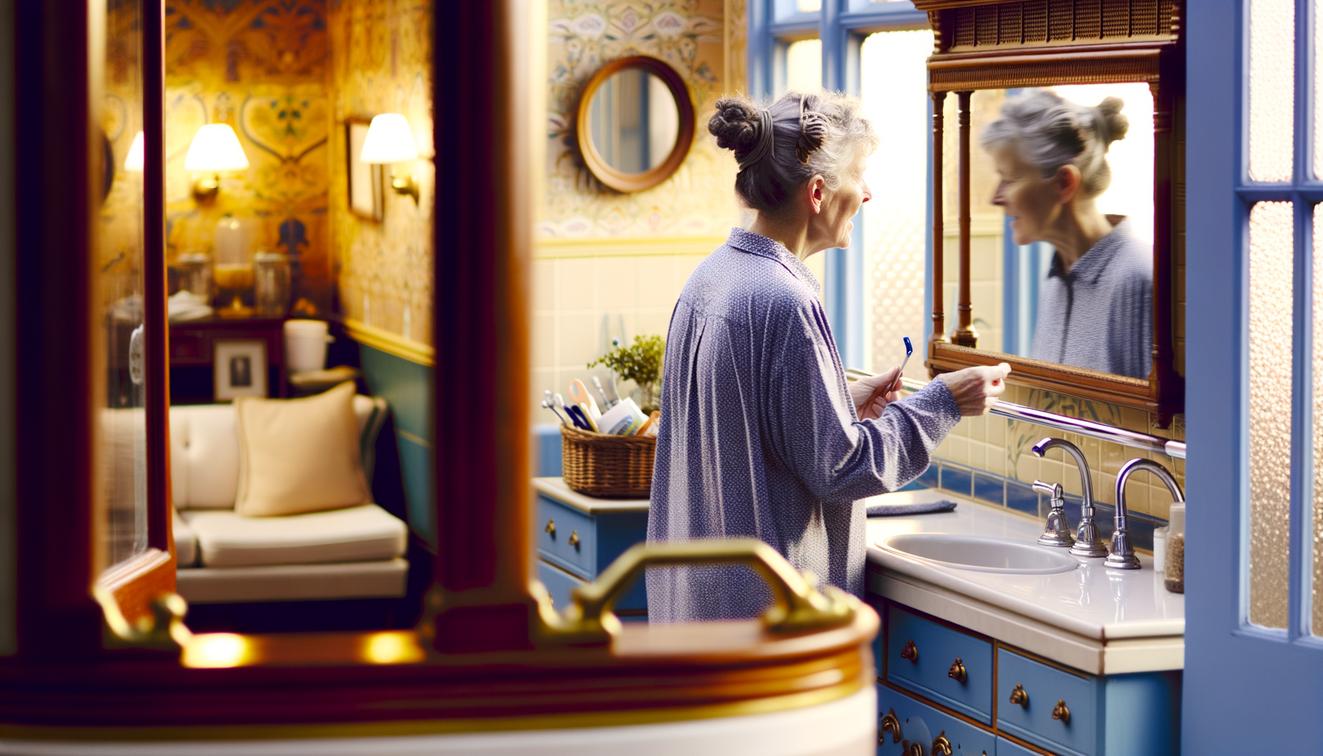
Janet, 62, has lived in the same semi for 30 years. Lately she finds the bath harder to get in and the stairs more tiring. Does your home feel less easy to manage than it used to? Are you worried about losing independence but unsure what to change?
Why adapt your home now for ageing in place?
Making your house an accessible home can keep you safe and help you stay in the place you love. Ageing in place is about practical changes that reduce falls, cut daily strain and make everyday tasks simpler.
Practical home adaptations UK over-50s can start with
You don’t need a major renovation to make a big difference. Simple, affordable changes often help most. Consider grab rails by the toilet and steps, a raised toilet seat, non-slip flooring, a walk-in shower or shower seat, improved lighting and contrasting tape on edges of steps.
Other useful options include a ramp or level threshold at one entrance, stair handrails on both sides, and lever-style door handles which are easier on arthritic hands.
Small tech changes that help you stay independent
Smart plugs and voice-controlled lights, a simple personal alarm system with fall detection, and easier-to-use heating controls can all reduce daily hassles. These are often quick to install and give immediate peace of mind.
Retirement housing options — when adaptations aren’t enough
If major changes aren’t practical where you live, you might look at retirement housing options such as downsizing to a bungalow, sheltered housing, or extra-care schemes. These choices vary in cost and levels of support, so think about the level of independence and community you want.
Funding and the Disabled Facilities Grant (DFG) UK
For larger adaptations, councils can offer help through the Disabled Facilities Grant (DFG) UK. Rules and amounts can vary by local authority, so contact your council’s housing or social services for current guidance. They will assess need and advise on possible support — even a phone call can clarify your options.
How to plan an adaptation that works for you
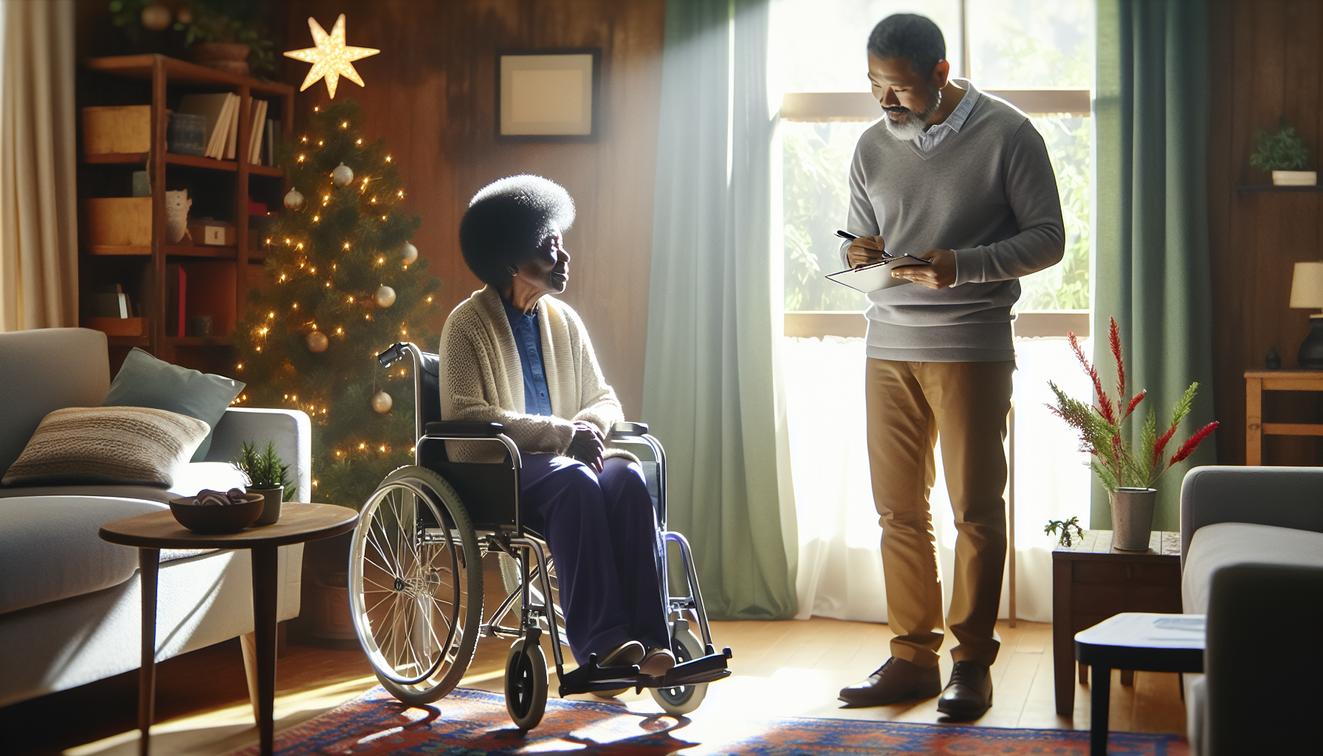
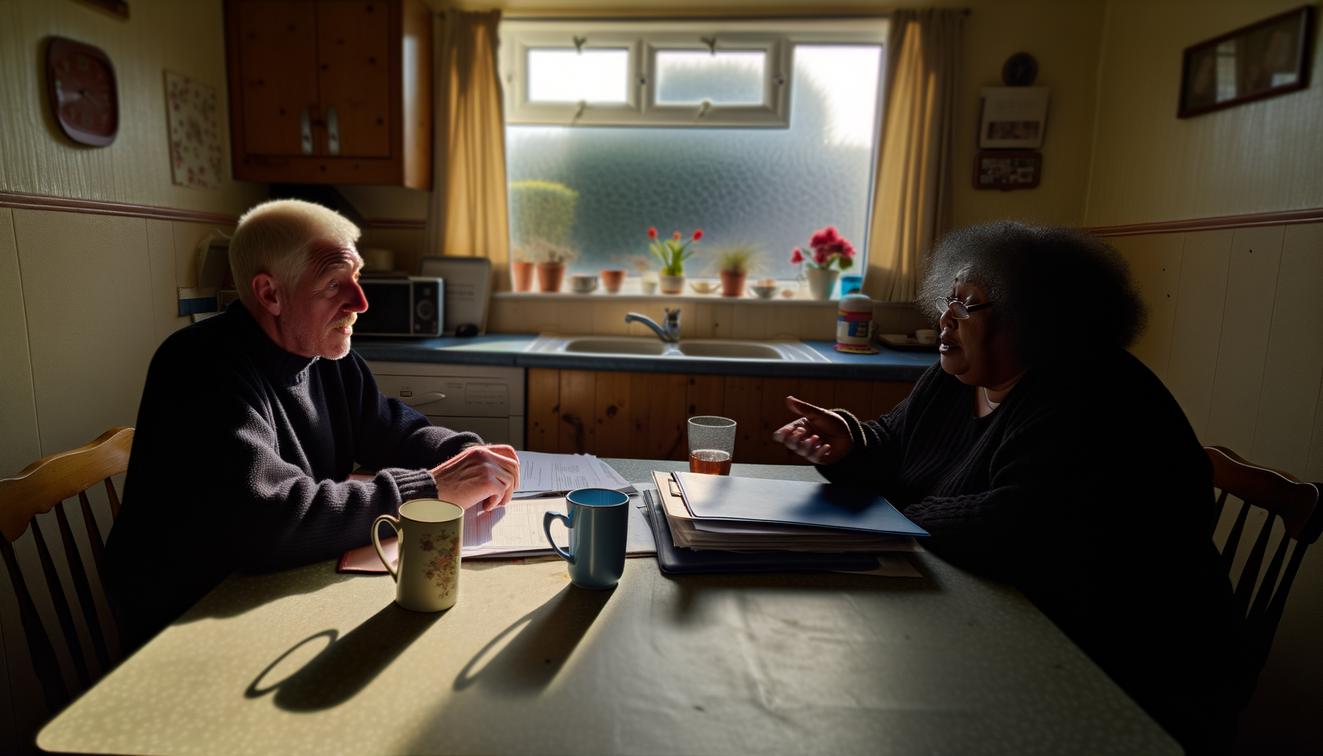
Start by listing the tasks that are becoming difficult: bathing, climbing stairs, cooking? Prioritise changes that reduce risk and restore independence. Ask for a free home assessment from your GP, occupational therapist or local council — they can recommend practical solutions and signpost funding.
What you can do today
- Install non-slip mats and improve hallway lighting — quick, low-cost ways to reduce falls.
- Add simple grab rails by the loo and in the shower — a handyman can fit these fast.
- Declutter pathways and move daily items to waist height to avoid bending and stretching.
- Ring your local council to ask about a home assessment and the Disabled Facilities Grant (DFG) UK — it’s worth knowing your options.
Making choices you won’t regret
Adaptations don’t have to be dramatic to be life-changing. Small, well-chosen changes can keep you independent, safer and more comfortable. Would a few simple changes make your day easier? Who could you ask for help with the first step?
Conclusion
Creating an accessible home is one of the smartest ways to support ageing in place. By focusing on practical home adaptations UK — from grab rails and better lighting to checking DFG support — you can stay independent longer and feel more in control. Start small, ask for an assessment, and plan the changes that matter most to you.