Introduction: Why accessibility must move from niche to norm
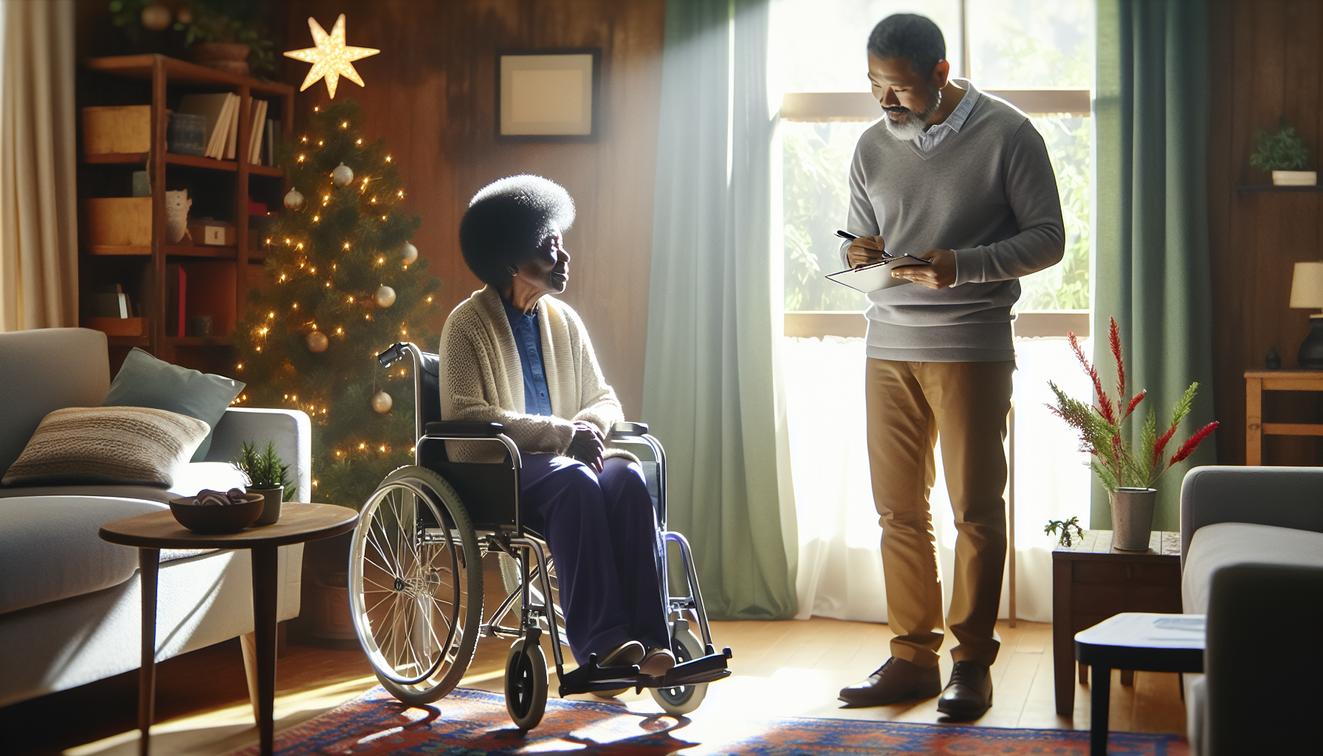
The UK faces an accessibility gap that affects millions of older people and disabled people who want to live independently in their homes. For many, staying safe and comfortable at home means more than ramps and rails — it requires whole-house thinking, tailored support, and access to the right funding. Homingo exists to close that gap: matching people to homes that genuinely fit their functional needs and helping them adapt and fund those homes so independent living is possible and dignified.
The scale of the problem
Data and sector research consistently show that only a small percentage of the UK housing stock is genuinely accessible. While precise figures vary by survey and definition, commonly cited estimates place fully accessible homes well below 10% of the total stock. That shortfall creates practical barriers: unsuitable bathrooms, narrow doorways, steps at entrances and poor circulation space that make everyday tasks risky or impossible for many people.
Consequences include higher care costs, premature moves into residential care, and reduced quality of life. Tackling this requires better search tools, clearer adaptation pathways, and smarter funding navigation — all areas where Homingo focuses its work.
Homingo’s model: Find, Adapt, Fund
Homingo’s three-part approach is designed around real-life needs, not binary filters.
Find — personalised matching, not yes/no filters
Traditional property searches use simple checkboxes. Homingo’s matching begins with a human-centred intake of mobility, sensory and daily-living needs. The platform’s Accessibility Score evaluates homes against those needs and presents matches ranked by suitability. This saves time and prevents repeated viewings of homes that are unrealistic to adapt.
Adapt — practical routes to make a home work
Adaptations range from small changes (lever-type handles, stair handrails) to major works (level-access showers, stairlifts, widened doorways). Homingo works with trusted assessors and trades to create adaptation plans that prioritise safety, dignity and Universal Design principles. Universal Design aims to make homes broadly usable — benefiting tenants, visitors and future buyers alike.
Fund — navigating grants, loans and local systems
Funding adaptations can be complex. Disabled Facilities Grants (DFGs) and other local authority support exist, but processes differ by area and waiting times can be long. Homingo guides users through typical requirements, helps prepare evidence and connects applicants with brokerage services and alternative finance where appropriate. The aim is to reduce delays and make funding realistic for households on different incomes.
Accessibility Score and Human-Realism: smarter, personalised AI
Homingo’s Accessibility Score is not a binary pass/fail. It is an algorithmic assessment that blends measured building features with human-centred weighting — what we call Human Realism. That means the same home can score differently for two people depending on their mobility profile.
How the scoring works
The AI evaluates tangible features: step-free access, entrance thresholds, internal door widths, corridor clearance, bathroom layout (transfer space, wet-room potential), kitchen accessibility, and usable outdoor access. It also factors in condition and ease of adaptation — for example, whether a downstairs WC could be converted to a level-access shower.
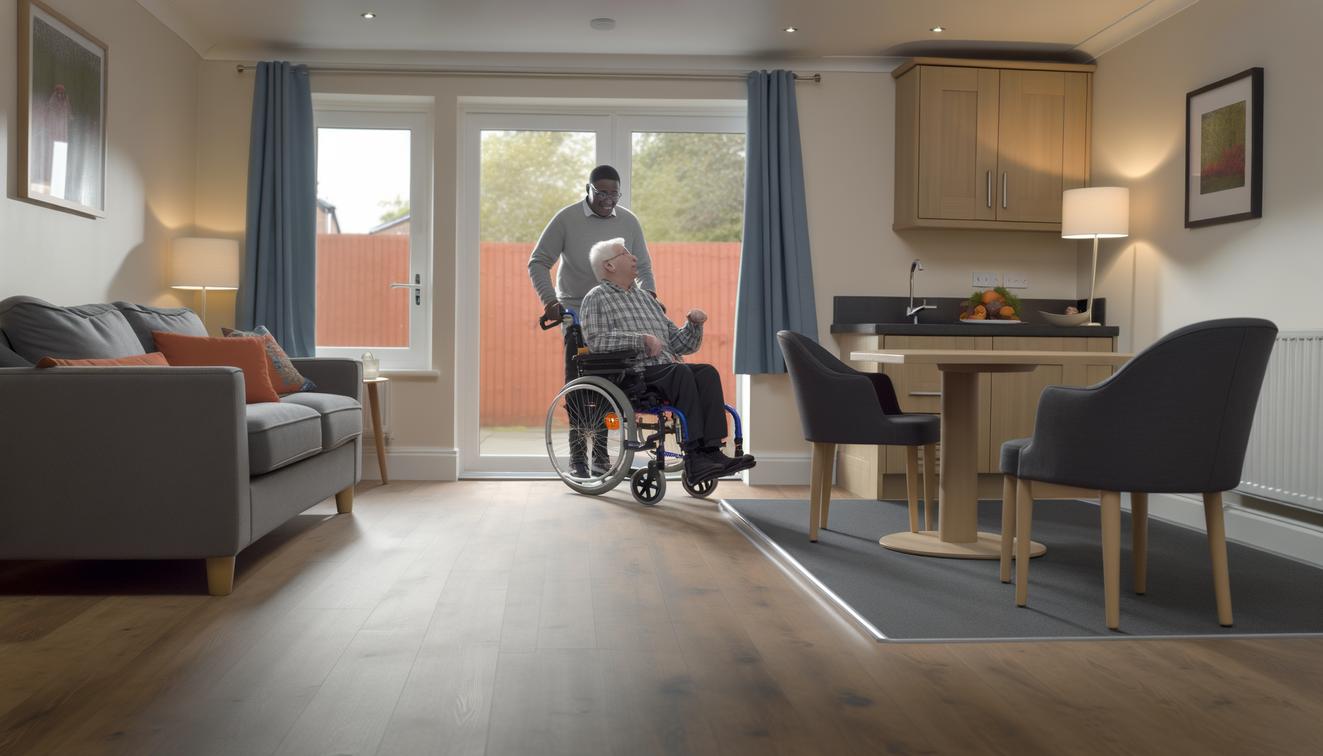
Human Realism adds personalised weightings: a powered wheelchair user needs generous turning circles and level thresholds; someone walking with a stick may prioritise handrails and consistent flooring; someone with visual impairment benefits more from contrast, lighting and tactile cues. The result is a nuanced Accessibility Score and a ranked list of matches that reflect what will actually make independent living possible.
Universal Design and everyday dignity
Universal Design principles reduce the need for bespoke adaptations by making homes more usable for everyone. Simple interventions — level entrances, lever taps, consistent flooring, clear sightlines and adaptable spaces — increase independence and future-proof homes. Homingo advises on universal solutions where possible, explaining the difference between temporary fixes and long-term upgrades that add comfort and value.
Disabled Facilities Grants: practical realities
Disabled Facilities Grants remain a vital source of funding for major works, but the system can be inconsistent. Local authorities assess eligibility, and processes may include occupational therapy assessments, means-testing and planning considerations. Common barriers include long assessment times, differing local policies and confusion about what counts as essential work.
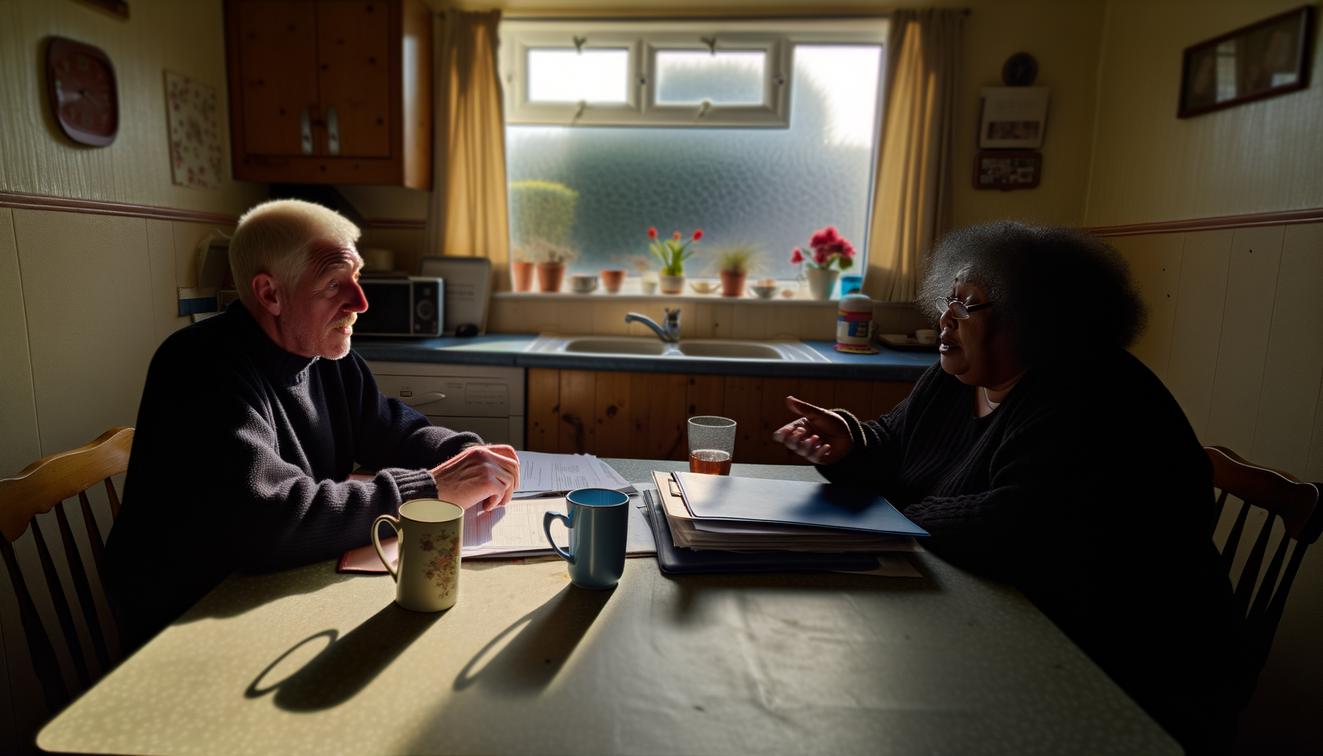
Homingo helps applicants by preparing documentation, clarifying likely outcomes and signposting local advocacy and advice services. Where a DFG is unlikely or will be delayed, Homingo can also explore staged adaptation plans and alternative funding routes so independence is not put on hold.
Practical steps for people seeking accessible homes
1. Start with needs, not property types
Make a short, clear list of daily tasks that are difficult now and the features that would make them easier: getting in and out, showering, moving between rooms, using the kitchen. That list guides search priorities and adaptation planning.
2. Use an Accessibility Score, not just pictures
Photographs can be misleading. Use platforms that quantify accessibility and explain the trade-offs. Homingo’s Accessibility Score highlights strengths and limitations in plain language and ranks matches accordingly.
3. Ask about adaptation potential up front
Some homes are easily adapted; others are not. Check for load-bearing constraints, space for a stairlift or downstairs bathroom, and whether an entrance can be levelled with minimal structural work.
4. Plan funding early
Contact your local authority about DFG procedures, gather supporting evidence (OT reports), and talk to Homingo about bridging options while grants are processed.
How Homingo supports professionals
Agents, occupational therapists and local authorities benefit from clearer information and better triage. Homingo’s scoring and adaptation roadmaps reduce wasted viewings, help prioritise works, and support quicker, evidence-based DFG applications. For social landlords and developers, Human Realism data highlights where modest design changes deliver outsized accessibility gains.
Conclusion: practical, person-centred progress
Closing the accessibility gap is a mix of better discovery, smarter adaptation planning, and clearer funding pathways. Homingo’s Find, Adapt, Fund model — underpinned by an Accessibility Score that respects Human Realism — offers a practical route to more independent living. For individuals, families and professionals, the goal is the same: safe, comfortable homes that work for the people who live in them.
If you or someone you support needs to find an accessible home or explore adaptation options, start with a structured needs list and use tools that go beyond tick-box filters. Homingo is designed to do precisely that — matching homes to lives, not just to features.