Why Energy Efficiency Retrofits Are Reshaping UK Home Improvements
Across the UK housing market, energy efficiency is shifting from a niche sustainability conversation to a core factor in homeowner decisions, renovation plans and property valuations. Landlords, owner-occupiers and developers are increasingly prioritising measures that cut running costs, reduce carbon footprints and address rising regulatory expectations.
Why efficiency matters for value and demand
Buyers and renters factor running costs into affordability calculations. Properties with stronger energy performance certificates (EPCs) are more marketable and can experience shorter time on market. Mortgage lenders and insurers are also showing greater appetite for homes with modern heating systems and good insulation, recognising the lower counterparty risk driven by reduced default likelihood when household bills are controllable.
Common retrofit measures and their practical impact
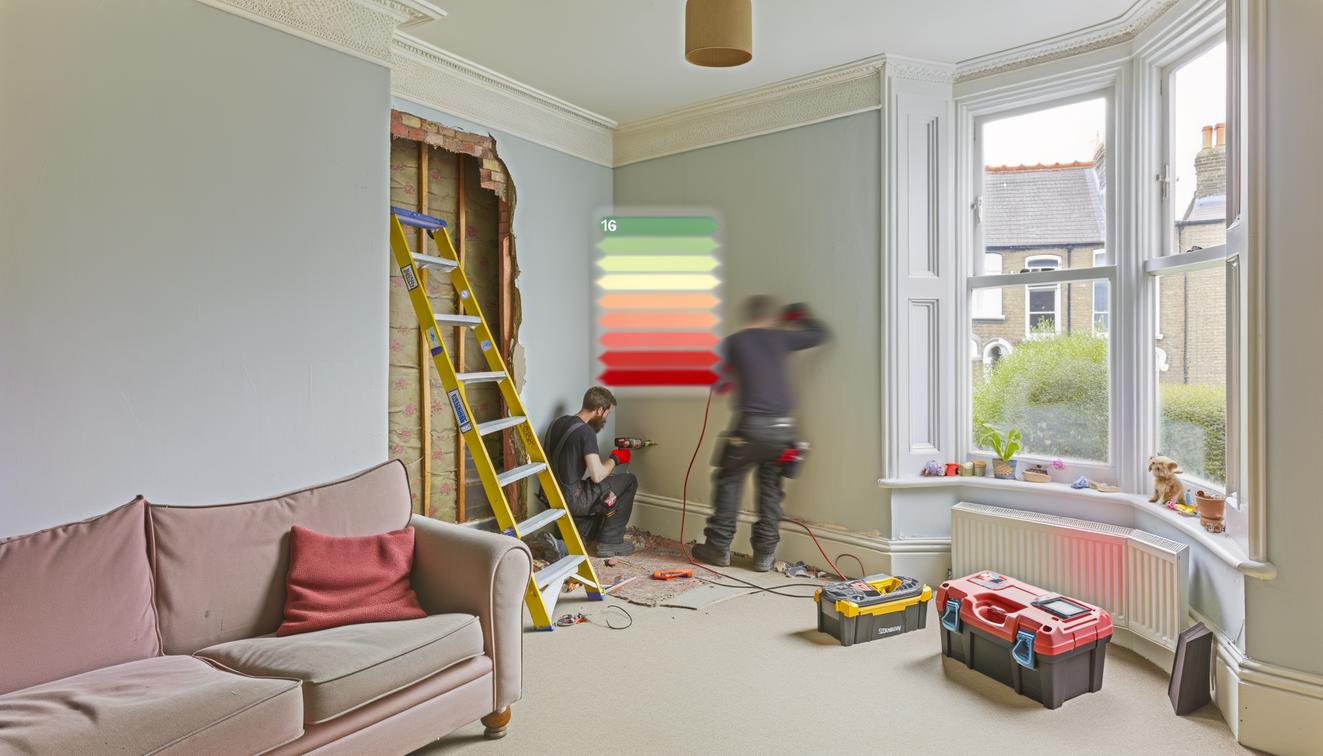
Common interventions — wall insulation, loft insulation, cavity filling, upgraded glazing, modern boilers and heat pumps — vary in cost, disruption and payback period. For many mid-terrace and semi-detached homes, loft and cavity upgrades remain the quickest wins for both tenants and owners: relatively low cost, rapid installation and clear reductions in heat loss. More extensive measures such as external insulation or a switch to a heat pump involve higher capital outlay and planning considerations, but they deliver longer-term benefits in operating costs and compliance with emerging landlord standards.
[IMAGE_1]
How retrofits interact with finance and resale
Energy improvements influence finance in three ways. First, they reduce projected household bills, improving affordability assessments for buyers. Second, they can enhance a property’s attractiveness to eco-conscious buyers, creating a price premium in competitive markets. Third, for landlords, improving an EPC can be essential to meeting regulatory thresholds that affect tenancy eligibility.
Data-driven decision-making for owners and landlords
Deciding which measures to prioritise benefits from a blended approach: simple building surveys to identify fabric heat loss, combined with running-cost modelling and access to grant or financing options. Targeted, evidence-led retrofits typically offer the best return on investment when they focus first on fabric and heating controls, then on more expensive mechanical systems.
Practical steps for a retrofit programme
- Start with a basic energy assessment to identify the biggest sources of heat loss.
- Prioritise low-disruption, high-impact interventions (loft, cavity, glazing) where feasible.
- Explore grants, Green Mortgage products and long-term finance that spread upfront costs.
- Document improvements clearly with before/after EPC and receipts — this helps at resale and when applying for preferential finance.
[IMAGE_2]
Outlook
As running costs and regulatory pressure continue to influence buyer and landlord behaviour, energy efficiency retrofits will remain a central strand of property improvement strategies in the UK. For market participants, the best results come from combining robust survey data, staged investment and clear documentation to unlock both cost savings and value uplift.